

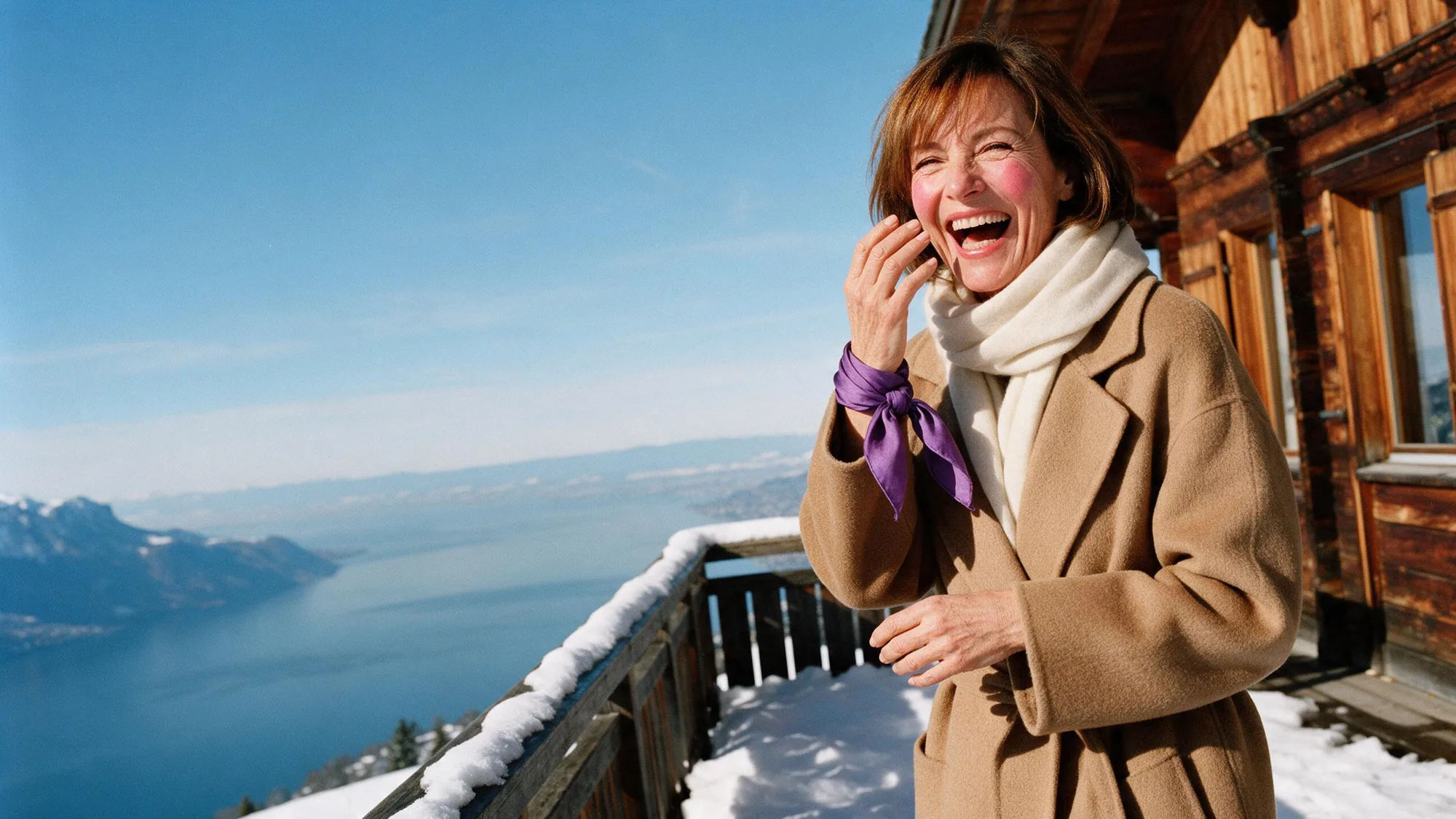
In winter, dry skin comes from a double shock: the cold, dry air outside, then the heated air indoors. From 50, we feel it more. A few simple gestures help bring back comfort: lukewarm water, gentle cleansing, a more enveloping texture, rooms that are less overheated.
Why does skin become dry in winter?
Skin becomes drier in winter because it loses its water more easily when the air is cold and dry, and the heated air indoors dries it out further. The face and hands, always uncovered, are the first to tell.
A review published in the Journal of the European Academy of Dermatology and Venereology (Engebretsen et al., 2016) brought together the research on climate and skin: low humidity and low temperatures reduce the skin’s barrier function and make it more sensitive to mechanical stress. Put simply, the outermost layer of the skin holds its water less well and copes less well with friction.
Cold and wind outdoors
Cold air contains little water vapour. Wind, for its part, speeds up evaporation at the surface of the skin. A walk by the lake in January or a day in the mountains is enough to feel your face tighten on the way home.
Heating indoors
Once back inside, we go from cold air to warm, dry air. The FOPH recommends not overheating living spaces: according to the office, this wastes energy and “also creates stuffy, dry indoor air”. It suggests putting on a jumper instead and airing in short bursts, windows wide open, for at least five minutes, in the morning, at midday and before going to bed.
Hot water and cleansers
A scalding shower feels good when it is cold, but very hot water and overly harsh cleansers carry away part of the surface lipids. This is often the simplest gesture to change: lukewarm water, a shorter time, a gentle cleanser.
Dry or dehydrated skin: how to tell the difference?
Dry skin lacks lipids, the fatty substances that form a protective film; dehydrated skin lacks water. The first is often down to the nature of the skin, the second is a passing state that winter, heating or the sun can bring about.
The two often overlap in winter, and both can feel tight. The following table helps you find your way; it does not replace a dermatologist’s opinion.
| Dry skin | Dehydrated skin | |
|---|---|---|
| What is lacking | Lipids (the protective film) | Water |
| Nature | A skin type, often lasting | A passing state |
| What you feel | Roughness, tightness, sometimes small flakes | Tightness, a dull look, fine dehydration lines |
| What makes it worse | Cold, wind, hot water, harsh cleansers | Heated air, dry air, lack of sleep |
| The first gesture | A richer texture, gentle cleansing | Lukewarm water, a texture that brings comfort, rooms that are less overheated |
Skin can also be oily in places and dehydrated: it shines on the forehead and feels tight on the cheeks. One more reason to observe before changing product.
Why you feel it more from 50
From 50, many women find that their skin feels tight more quickly than before in winter. Many women notice it, and dermatological reviews associate the menopause with drier skin.
This is neither a disease nor a fate, simply one more factor to take into account. To understand what changes at this time of life, read our article on the menopause and the skin.
What to do for dry skin in winter?
For dry skin in winter, the most effective approach is often to change few things and stick with them: protect the skin from the cold, limit what dries it out indoors, and choose textures that bring it comfort.
In the morning
- Cleanse with lukewarm water and a gentle product, without rubbing.
- Apply your care to clean skin, then a day cream with a texture that suits the season.
- Before going out, protect your face from the wind with a scarf, and check the day’s UV index if the weather is fine, especially in the mountains.
During the day
- Avoid overheating rooms: a jumper rather than two extra degrees.
- Air rooms fully and briefly, as the FOPH recommends, rather than leaving a window tilted open.
- Drink regularly: the Swiss food pyramid recommends 1 to 2 litres of unsweetened drinks a day, preferably water. It promises no effect on the skin, but it is a simple marker of a healthy lifestyle.
In the evening
- Remove make-up and cleanse gently, without scalding water.
- Keep a richer texture for the night if your skin asks for it.
- Think of your hands and lips, often forgotten although they are the most exposed.
Gestures that dry the skin without our noticing
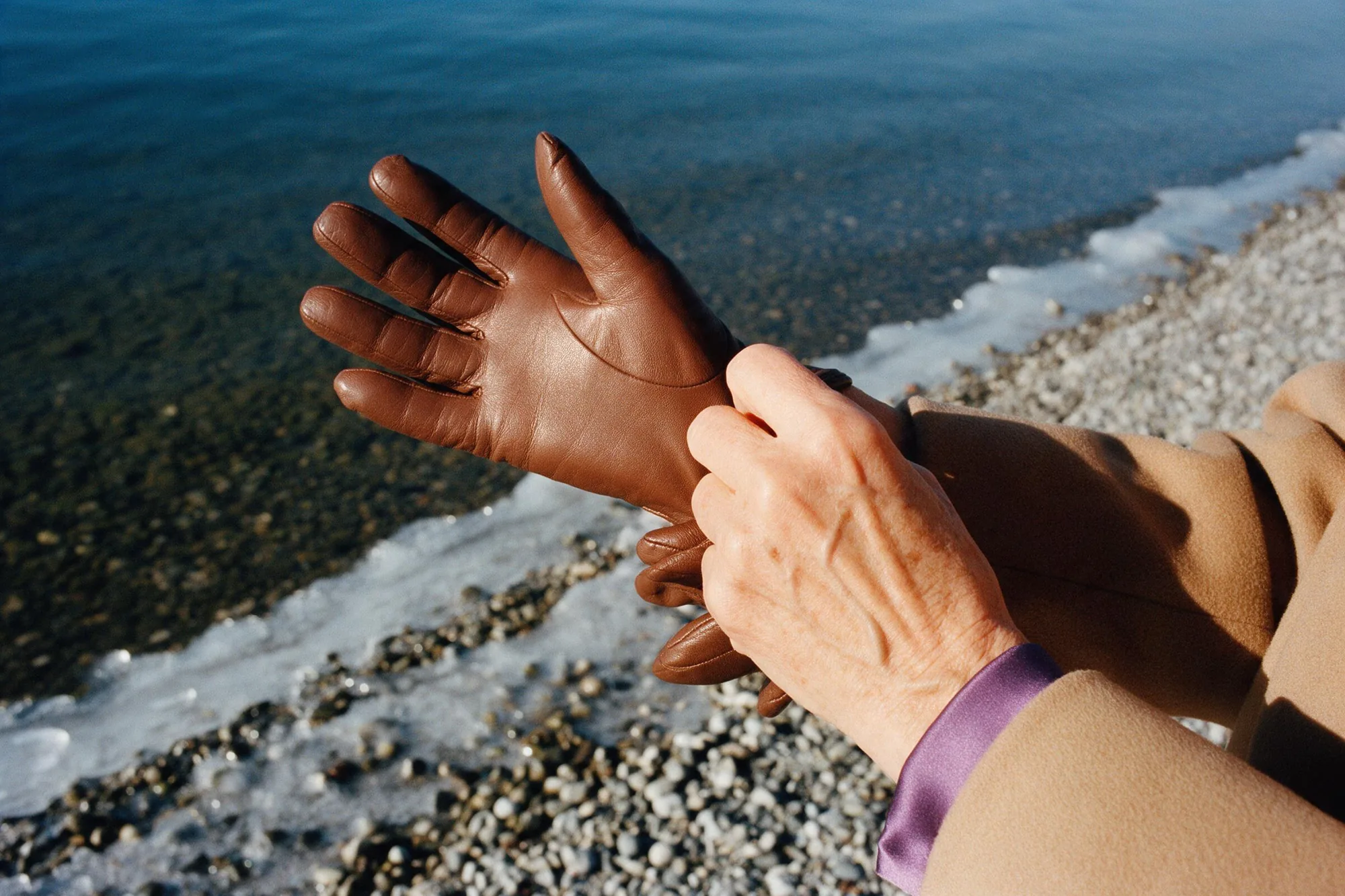
Some everyday gestures dry the skin without our paying attention. Knowing them often brings more comfort without buying anything.
- Very hot, long showers or baths.
- An overly harsh foaming cleanser, used twice a day.
- Repeated scrubbing to “remove the flakes”, which weakens the surface further.
- Rooms heated beyond what is needed, with the windows closed all day.
- Changing cream every week: the skin does not have time to show what suits it.
Changing just one gesture at a time lets you know which one really helps. It is the same principle we defend to adapt your routine to the seasons: adjust, do not replace everything.
When to seek advice?
It is better to see a doctor, a dermatologist or a pharmacist when dryness does not ease despite gentle gestures, or when it comes with other signs.
- Strong itching that wakes you at night.
- Red patches, fissures or cracks that bleed.
- Dryness that appears suddenly, all over the body.
- Dryness that accompanies a treatment or a known illness.
These signs may point to a skin condition that requires a proper diagnosis. This article is for information only and does not replace medical advice.
Our winter ritual, designed for this season
The You Are Magnifique winter ritual was born of a feeling many women know well: skin that feels tight and lacks radiance in winter. Our intention for winter is comfort, nourishment, hydration and support for the skin barrier. It is an intention that guides the design of the ritual, not a promise of results.
The In & Out duo brings together two gestures each morning: a 5 ml drinkable bottle, formulated as a food supplement, and a 30 ml face serum. For winter, they are developed around shared key actives: marine collagen peptides, vitamin C, zinc gluconate and hyaluronic acid. The composition and the precautions are presented on the key actives page.
Here is how to use the ritual, as we describe it: “Every morning, after cleansing: drink your bottle, then apply the serum to your face. Then carry on as usual, with your day cream, sun protection and make-up. You keep your usual care and your usual supplements.” Already taking food supplements? Check your combined intake with your pharmacist or your doctor.
Frequently asked questions
Why does cold weather dry the skin?
Because cold air contains little water and wind speeds up evaporation at the surface of the skin. A 2016 review concludes that low humidity and low temperatures reduce the skin’s barrier function. The sudden move into a heated interior heightens the feeling further.
How can you recognise dry skin?
Dry skin feels rough to the touch, feels tight after cleansing and may form small flakes, especially on the cheeks and around the nose. Dehydrated skin also feels tight, but looks rather dull, with fine lines that soften when the skin feels comfortable again.
Which deficiency causes dry skin?
It is not possible to say without an examination: dry skin most often has external causes (cold, heating, hot water, cleansers). If the dryness is marked, lasting or unusual, talk to your doctor, who can look for a specific cause. A varied diet remains the foundation, according to the Swiss nutrition recommendations.
Do you need a richer cream in winter?
Often, yes, if your skin asks for it: a more enveloping texture can be more comfortable when it is cold. You can also keep your usual cream in the morning and choose a richer texture in the evening. The right guide remains comfort, not the season on the calendar.
How can you stop your skin peeling in winter?
By avoiding what dries it out (very hot water, harsh cleansers, repeated scrubbing), by protecting your face from the wind and by applying a texture that brings comfort. If your skin peels a lot, reddens or itches, it is best to ask a dermatologist’s opinion.
Sources
These sources establish general facts. They do not concern You Are Magnifique products. Pages consulted on 23 November 2026.
- Engebretsen K. A. et al., The effect of environmental humidity and temperature on skin barrier function and dermatitis, Journal of the European Academy of Dermatology and Venereology, 2016 : low humidity and low temperatures reduce the skin’s barrier function.
- Federal Office of Public Health, Proper ventilation and heating : do not overheat, dry indoor air, air for at least five minutes in the morning, at midday and in the evening (page in French).
- Federal Food Safety and Veterinary Office, Swiss nutrition recommendations for adults : 1 to 2 litres of unsweetened drinks a day (page in French).
- Kamp E. et al., Menopause, skin and common dermatoses. Part 2: skin disorders, Clinical and Experimental Dermatology, 2022 : skin dryness associated with the menopause.
This article is for information only and does not replace the advice of a doctor, a dermatologist or a pharmacist.
Going further
To understand what protects the skin from the cold, read the skin barrier explained simply, then how to adapt your routine to the seasons. Marie-José Joly, who signs these lines, ran an international school of aesthetics and cosmetics in Switzerland for more than fifteen years; her story is on the About page.
Would you like to take stock of your skin this winter? The Magnifique Longevity Check asks eight questions about your skin and your habits; it is neither a diagnosis nor medical advice. And to discover the winter ritual, the In & Out duo page presents its two gestures. You are magnificent. This ritual is here to remind you.

The author
Marie-José Joly, founder
For more than fifteen years, I ran an international school of aesthetics and cosmetics in Switzerland.
Read her storyKeep reading
How to adapt your beauty routine to the seasons after 50
Yes, it helps to adjust your routine through the year: in Switzerland, cold, heated air and UV intensity change markedly between January...
In & Out beauty: definition and meaning of the approach
In & Out beauty, also called inside-out beauty, links what we apply to the skin (Out) with what we do each day...