

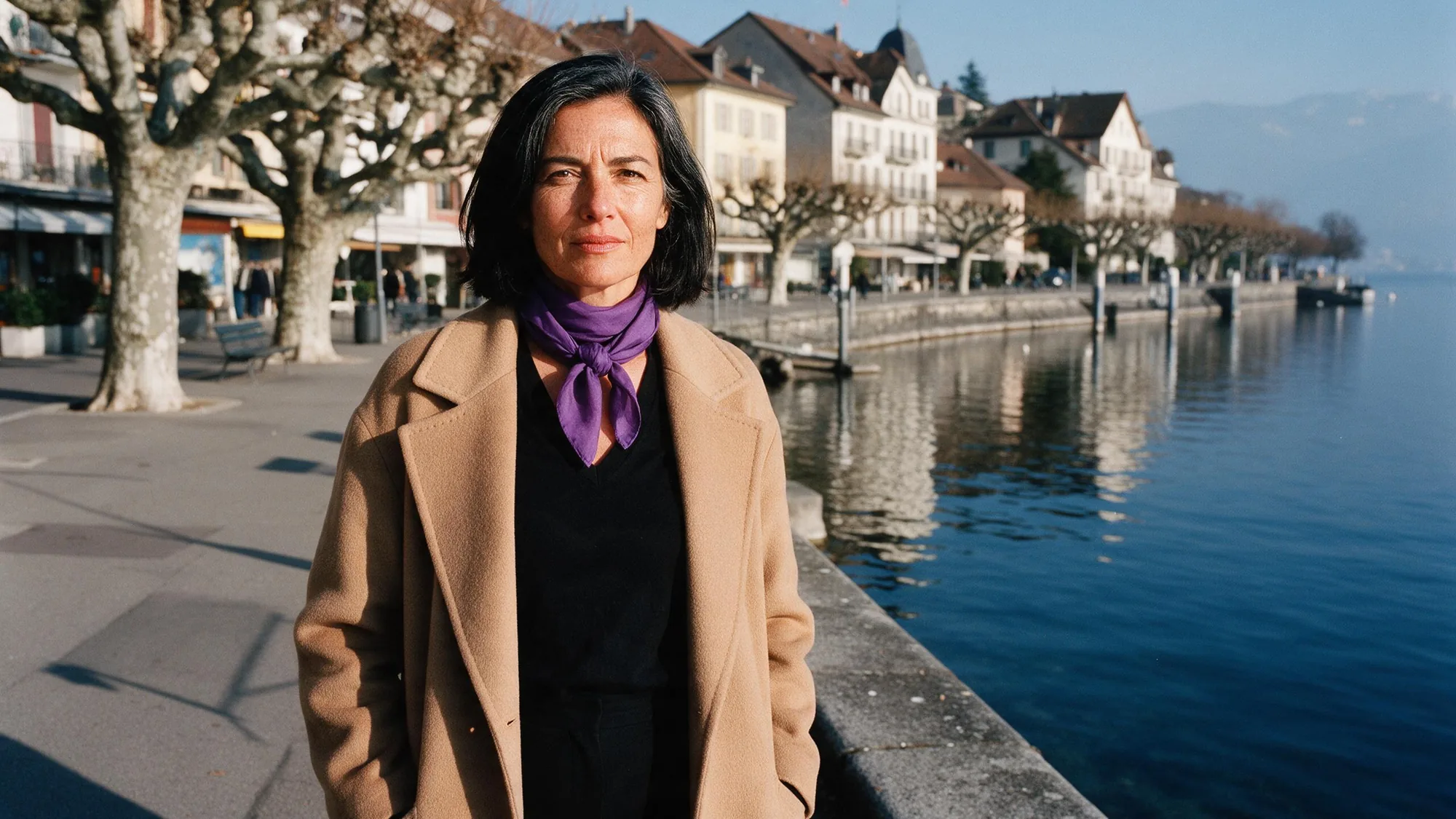
With the menopause, falling oestrogen levels change the skin: it often becomes drier, thinner and more reactive. This is neither an illness nor an ending. A few simple gestures help keep it comfortable, and some signs are worth raising with your doctor.
What is the menopause?
The menopause marks the end of the years in which a woman can conceive a child. According to the WHO, it is caused by the end of the ovarian cycle and a fall in oestrogen levels in the blood, and most women go through it between 45 and 55, as a natural stage of biological ageing.
The transition is often gradual. The WHO uses the term perimenopause for the period that begins with the first changes in the cycle and ends one year after the last period; it can last several years.
Among the symptoms the WHO associates with the menopause, two concern the skin or comfort directly: hot flushes, a sudden feeling of heat in the face, neck and chest, often accompanied by redness, and sleep disturbances.
What does the menopause change for the skin?
For the skin, the menopause mainly changes three things: the skin becomes drier, thinner and sometimes more reactive. A review published in 2022 in Clinical and Experimental Dermatology (Kamp et al.) associates falling oestrogen with a decline in the collagen of the dermis, and mentions greater water loss through the skin.
Drier skin, which sometimes itches
The same review associates the menopause with dry skin (dermatologists speak of xerosis) and with itching. Many women first notice it in winter, when cold and heating add to it. Our article on dry skin in winter details the gestures that help.
Thinner skin
Collagen is the protein that forms the framework of the dermis. According to the 2022 review mentioned above, nearly a third of the skin’s collagen is lost in the first five years after the menopause, then around 2% a year for fifteen years. This decline is linked to the years since the menopause more than to age itself.
Skin that behaves differently
Some women find their skin becoming more reactive, others oilier in places, and others notice redness during hot flushes. There is no single picture: each woman goes through the menopause in her own way.
| What you notice | What can help day to day | When to talk to your doctor |
|---|---|---|
| Drier skin that feels tight | Lukewarm water, gentle cleanser, a more comfortable texture | Marked or widespread dryness |
| Itching | Avoid very hot water, soft clothing | Persistent itching that wakes you at night |
| Redness with hot flushes | Dressing in layers, rooms not too warm | Hot flushes that disrupt daily life |
| Thinner, more fragile skin | Gentle gestures, sun protection according to the UV index | Wounds that heal poorly, unusual bruising |
| Disturbed sleep | A regular rhythm, a cool bedroom | Lasting insomnia |
Why does my face seem to have changed all at once?
Many women feel that their face changed “all at once” around the menopause. This is consistent with what the reviews describe: changes in the skin speed up in the first years after the menopause, then slow down.
Other elements often mingle at this time: disturbed sleep, which shows on the face, and the cumulative effects of decades of sun. None of this erases who you are. As we write in our article caring for your skin from 50, the point is to live your age fully, not to fight it.
How to care for your skin during the menopause?
During the menopause, caring for your skin comes down to a few regular gestures: cleanse gently, bring comfort, protect yourself from the sun, and look after what goes on around it: sleep, food, movement.
- Cleanse gently, with lukewarm water, without rubbing or stripping.
- Choose a comfortable texture for your skin as it is now, even if it means changing between summer and winter.
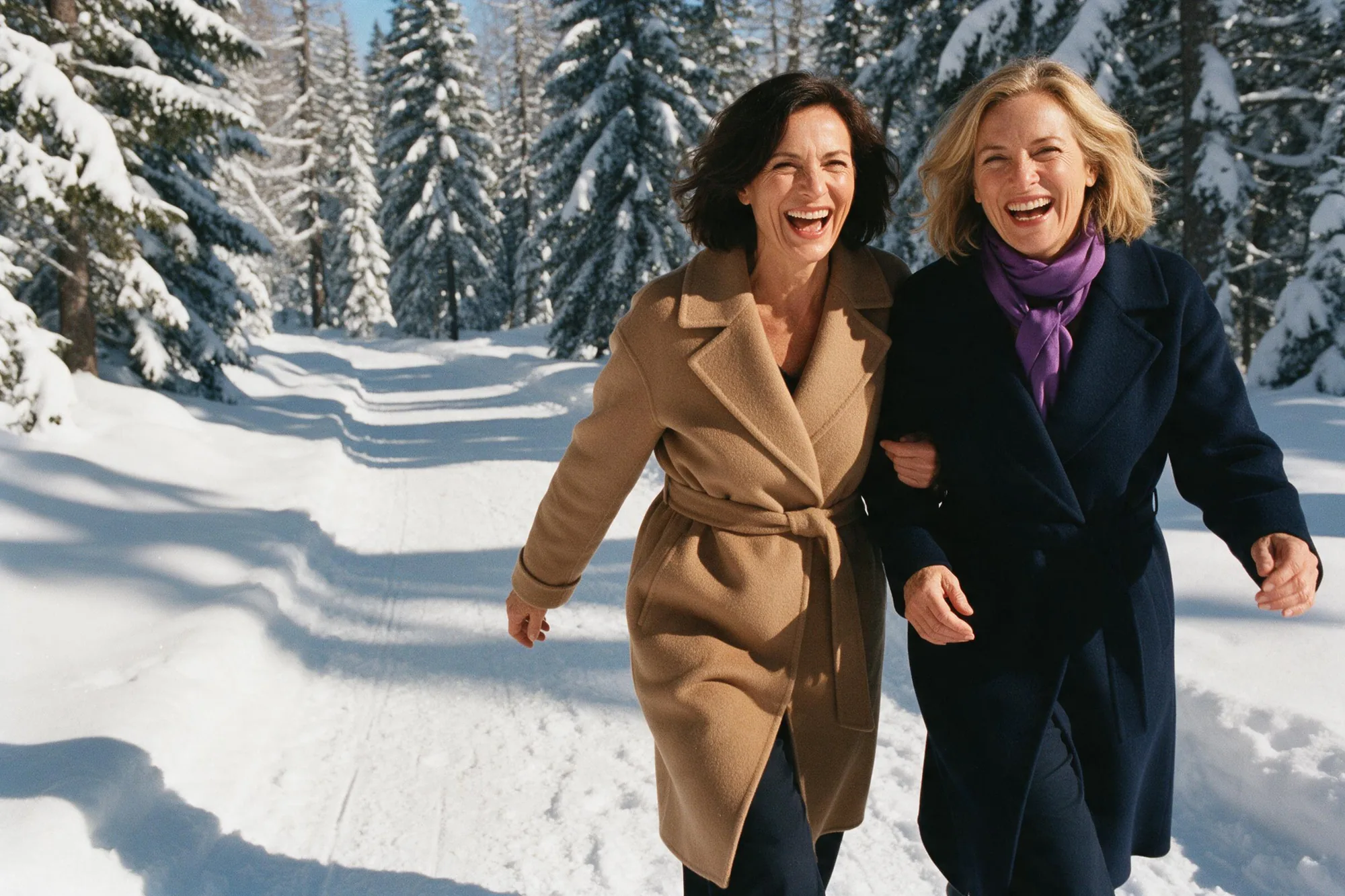
- Protect yourself from the sun according to the day’s UV index, in winter too in the mountains: thinner skin deserves it all the more.
- Adjust only one gesture at a time, to know what suits you.
- Look after your sleep: a regular rhythm and a rather cool bedroom also help you get through warmer nights.
- Eat a varied diet and keep moving, following the Swiss guidelines: these are not treatments, but the foundations of well-being.
How to moisturise your skin during the menopause?
For skin that feels tight during the menopause, the simplest approach is to limit what dries it out and to add comfort: lukewarm water rather than hot, a gentle cleanser, a product applied to skin that is still slightly damp, a richer texture in the evening if your skin asks for it. Drinking regularly is part of good habits, even though it is not skincare in itself.
When to talk to your doctor?
It is worth talking to your doctor or gynaecologist when the symptoms of the menopause weigh on daily life, or when the skin shows unusual signs. According to the WHO, various interventions, hormonal and non-hormonal, can help relieve the symptoms of the perimenopause.
The choice of hormone therapy is a matter for a discussion with a doctor, who weighs the benefits and risks for each woman. A review published in 2025 in the Journal of Cosmetic Dermatology (Viscomi et al.) points out that clinical guidelines do not recommend this treatment for the skin alone. It is therefore not a question of beauty, but of overall health.
A stage, not an ending
The menopause is a stage of life, not a verdict. Many women go through it discovering new priorities: time for themselves, friendships that matter, gestures they choose rather than endure.
This is the spirit of the Magnifique community, where women share and feel listened to. The 2025 review cited above notes, moreover, that nearly half of menopausal women say they were not informed about the effects of the menopause on the skin. Talking about it simply, among women and with those who care for you, is already part of caring.
Our winter ritual in all this
You Are Magnifique is for women from 50. Our ritual does not treat the menopause and promises no medical result. It offers a moment for yourself, every morning: a 5 ml drinkable bottle, formulated as a food supplement, and a 30 ml face serum, developed around shared key actives.
For winter, our intention is comfort, nourishment, hydration and support for the skin barrier: an intention that guides the ritual, not an announced benefit. The actives and their precautions are presented on the key actives page. If you are undergoing treatment, ask your doctor’s advice before you start; and here is the rule we always repeat: Already taking food supplements? Check your combined intake with your pharmacist or your doctor.
Frequently asked questions
How can you have lovely skin during the menopause?
By keeping to simple, regular gestures: cleanse gently, bring comfort, protect yourself from the sun, sleep and eat as well as you can. Lovely skin at the menopause is not skin that hides its age; it is skin you care for, without demanding perfection of yourself.
Does the menopause make the skin dry?
Often, yes: dermatological reviews associate the menopause with drier skin and more frequent itching, linked to falling oestrogen. Winter heightens the feeling. If the dryness is marked, talk to your doctor or dermatologist.
At what age does the menopause begin?
According to the WHO, most women go through the menopause between 45 and 55. The perimenopause, which comes before it, can last several years and ends one year after the last period.
Why has my face changed all at once?
Because changes in the skin speed up in the first years after the menopause, according to the reviews, and other factors often add to them at this time, such as disturbed sleep or the cumulative effects of the sun. It is a stage, and each woman goes through it in her own way.
Do you need to change your whole routine at the menopause?
No. Adjusting one or two gestures is usually enough: a gentler cleanser, a more comfortable texture, more regular sun protection. Changing just one gesture at a time lets you know what really helps.
Sources
These sources establish general facts. They do not concern You Are Magnifique products. Pages consulted on 23 November 2026.
- World Health Organization, Menopause, fact sheet of 16 October 2024 : age, definition, perimenopause, symptoms, possible interventions (page in French).
- Kamp E. et al., Menopause, skin and common dermatoses. Part 2: skin disorders, Clinical and Experimental Dermatology, 2022 : dryness, itching, water loss and skin collagen after the menopause.
- Viscomi B., Muniz M., Sattler S., Managing Menopausal Skin Changes, Journal of Cosmetic Dermatology, 2025 : clinical guidelines and hormone therapy, lack of awareness of the effects on the skin.
- MeteoSwiss, UV index : the day’s UV index and protection (page in French).
This article is for information only and does not replace the advice of a doctor, a gynaecologist, a dermatologist or a pharmacist.
Going further
To go further, read the skin barrier in winter and collagen explained simply. Marie-José Joly, who signs these lines, ran an international school of aesthetics and cosmetics in Switzerland for more than fifteen years; her story is on the About page.
To take stock of your skin and your habits, the Magnifique Longevity Check asks eight questions, with no diagnosis and no medical advice. The In & Out duo page presents the winter ritual and its two gestures. You are magnificent. This ritual is here to remind you.
The author
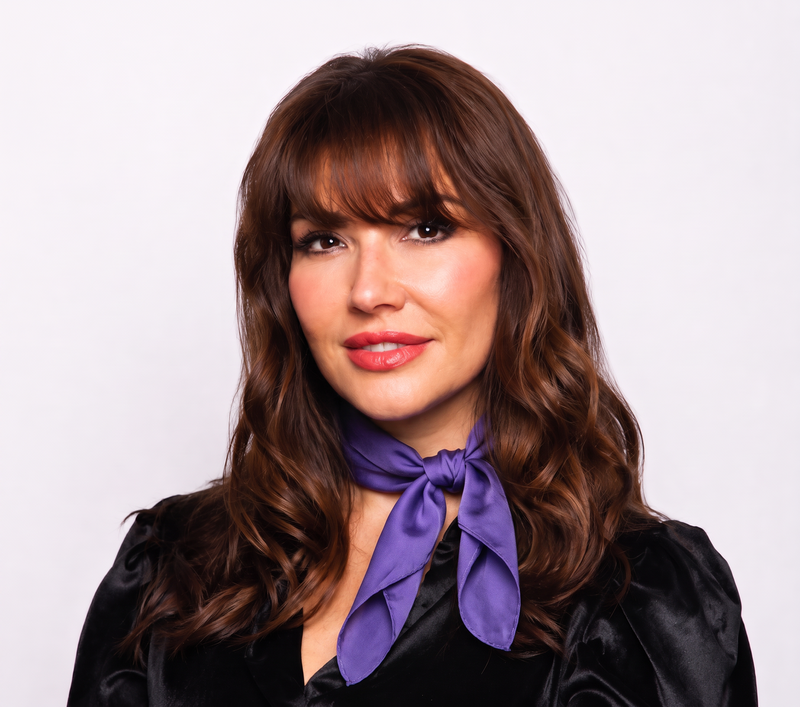
Marie-José Joly, founder
For more than fifteen years, I ran an international school of aesthetics and cosmetics in Switzerland.
Read her storyKeep reading
How to adapt your beauty routine to the seasons after 50
Yes, it helps to adjust your routine through the year: in Switzerland, cold, heated air and UV intensity change markedly between January...
In & Out beauty: definition and meaning of the approach
In & Out beauty, also called inside-out beauty, links what we apply to the skin (Out) with what we do each day...